Full-Stack Web Development remains one of the most versatile, essential, and high-demand modern digital careers worldwide. As organizations across education, finance, healthcare, and e-commerce build increasingly sophisticated web applications, the ability to design seamless front-end user interfaces while maintaining secure, highly available back-end server architectures is paramount. This single-discipline guide provides an in-depth analysis of the Full-Stack Web Developer role—covering technical stack requirements, industry trends, verified external documentation resources, direct job application portals, and an operational comparison between traditional office employment and global remote contracting.
Detailed Role Overview & Scope
A Full-Stack Web Developer oversees both client-facing interfaces (front-end) and server-side logic (back-end). Rather than specializing exclusively in visual layouts or database management, full-stack engineers take full ownership of end-to-end web application architecture. Primary responsibilities include:
Required Competencies & Essential External Resources
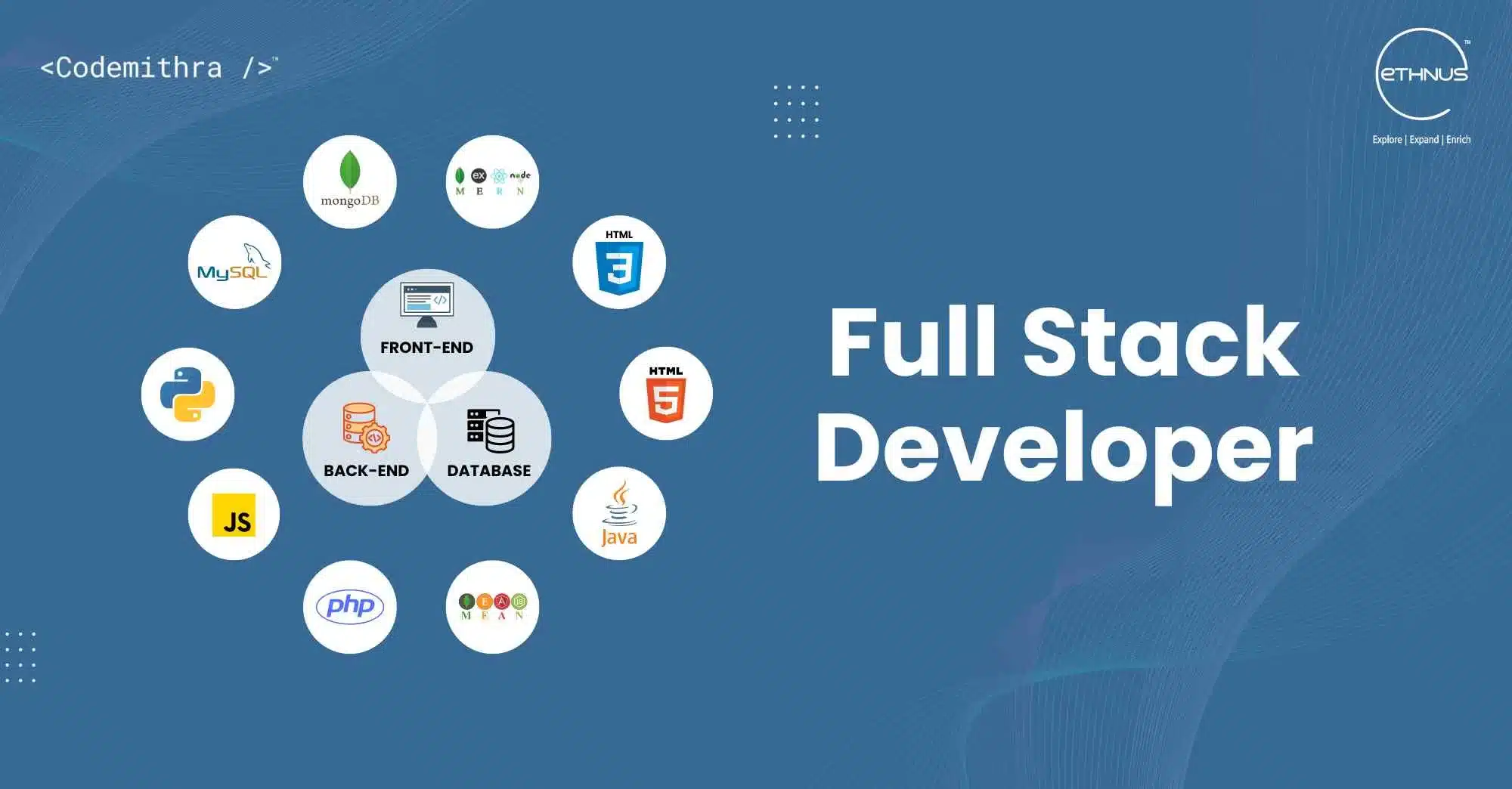
To operate as a professional Full-Stack Developer, engineers must master a structured technology stack spanning client-side components, server frameworks, and storage solutions:
1. Front-End Web Stack
- Core Web Standards: HTML5, CSS3, Modern JavaScript (ES6+), and TypeScript. Review standards on the MDN Web Docs Portal.
- Modern UI Frameworks: Interactive component development using React, Next.js, or Vue.js. Learn directly from the React Official Documentation and Next.js Documentation.
2. Back-End Server Technologies
- Node.js & Express: Scalable JavaScript server environments. Reference the Node.js Official Documentation.
- Python Web Frameworks: Enterprise web APIs using Django or FastAPI. Access the Django Project Documentation and FastAPI Official Guide.
3. Databases & Cloud Hosting
- Relational & NoSQL Storage: PostgreSQL and MongoDB schema optimization. Explore via PostgreSQL Docs and MongoDB Documentation.
- Cloud & Hosting Platforms: Modern hosting using Vercel, Netlify, AWS Cloud, or Docker containers. Learn via Docker Documentation.
Future Market Demand & Industry Outlook
The global demand for full-stack web engineers continues to grow steadily across traditional corporate entities and early-stage tech ventures alike. Businesses prioritize full-stack capabilities because engineers who understand both client and server domains reduce team communication overhead and accelerate development lifecycles.
Key technological drivers include:
Direct Job Application Portals & Registration Links
Full-stack developers can leverage numerous specialized career platforms to secure global remote positions or high-paying contract work. Below are direct registration portals to begin your application process:
Applicant Portfolio Check:
Ensure your public GitHub Profile contains live deployed project links (via Vercel or Netlify) before applying to international positions.
- Turing Full-Stack Portal: Remote developer jobs with top US tech firms.
→ Apply for Full-Stack Developer Jobs on Turing - Wellfound (AngelList Talent): Connect directly with high-growth tech startups seeking full-stack talent.
→ Register on Wellfound Tech Startups Board - Toptal Engineering Network: Join an exclusive network of high-tier freelance full-stack engineers.
→ Apply to Join Toptal Talent Platform - Upwork Web Development Hub: Bid directly on web development contracts and client retainers globally.
→ Explore Upwork Full-Stack Web Development Contracts
Workplace Comparison: On-Site Office vs. Online/Remote Work
Web development is inherently cloud-based, making full-stack development one of the most flexible roles in the global tech economy. The table below illustrates the structural differences between office-based roles and remote contracts:
Operational Comparison Matrix: Full-Stack Web Developer
| Evaluation Vector | On-Site / Corporate Office | Online / Remote Contract |
|---|---|---|
| Development Infrastructure | Local dev servers, company-issued hardware, and localized staging environments. | Cloud IDEs, containerized local environments (Docker), and cloud staging platforms (Vercel, AWS). |
| Code Review & Teamwork | In-person pair programming, immediate desk syncs, and physical sprint planning boards. | Asynchronous Pull Requests (GitHub/GitLab), Jira boards, and Slack/Discord dev channels. |
| Schedule Flexibility | Fixed working hours linked to corporate office presence. | Flexible asynchronous hours based on sprint completion and project deadlines. |
| Compensation Structure | Standard local salary ($70,000–$110,000/year) based on local employment markets. | Global hourly rates ($40–$100+/hour) or milestone-based contract packages. |
About the Author