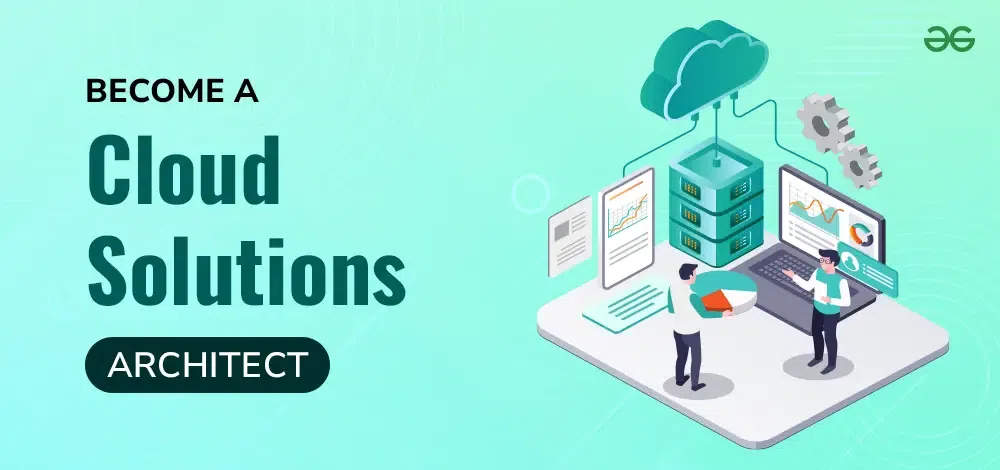
Cloud Solutions Architecture serves as the structural foundation of the modern enterprise tech stack. As organizations migrate away from legacy physical data centers toward elastic, multi-cloud, and hybrid environments, designing resilient, secure, cost-optimized, and highly available infrastructure has become a paramount strategic objective. This single-discipline guide provides a comprehensive analysis of the Cloud Solutions Architect role—covering essential architectural pillars, market growth drivers, verified official cloud framework resources, direct job application portals, and a detailed operational comparison between on-site enterprise architecture roles and global remote cloud consulting
Detailed Role Overview & Operational Scope
A Cloud Solutions Architect evaluates corporate business requirements and translates them into scalable, secure, and fault-tolerant cloud infrastructures. Operating at the intersection of business strategy and deep engineering, their core responsibilities include:
- Cloud Infrastructure Design: Constructing end-to-end cloud topology diagrams encompassing virtual networks, compute clusters, storage tiers, and serverless architectures.
- Migration & Modernization Strategy: Planning and executing seamless data and workload migrations from on-premise hardware to cloud-native platforms.
- Security & Identity Governance: Designing zero-trust network access, enforcing identity access management (IAM) policies, and ensuring regulatory data sovereignty.
- Cost Optimization (FinOps): Monitoring cloud resource usage, rightsizing workloads, and implementing dynamic auto-scaling to control cloud expenditures.
Required Competencies & Essential External Resources
To succeed as a senior Cloud Solutions Architect, professionals must master multi-cloud platforms, infrastructure-as-code (IaC), and industry-standard architectural frameworks:
1. Cloud Platforms & Architectural Frameworks
- AWS Well-Architected Framework: Mastering operational excellence, security, reliability, performance, and cost optimization. Reference the official AWS Well-Architected Framework Documentation.
- Microsoft Azure Architecture Center: Guidance for enterprise hybrid cloud solutions. Explore the Azure Architecture Center.
- Google Cloud Architecture Framework: System design for data-heavy cloud native systems. Review Google Cloud Architecture Guides.
2. Infrastructure as Code (IaC) & Containerization
- Terraform by HashiCorp: Automating multi-cloud resource provisioning. Access Terraform Official Documentation.
- Kubernetes Container Orchestration: Managing microservice deployments across cloud clusters. Study Kubernetes Official Docs.
Future Market Demand & Industry Outlook
Cloud Solutions Architecture consistently ranks among the highest-paid and most critical IT fields globally. Driven by enterprise digital transformation, cloud adoption across artificial intelligence workloads, and edge computing expansion, market demand for certified architects remains extraordinarily high.
Key growth catalysts include:
- AI Infrastructure & GPU Clusters: Provisioning dynamic cloud infrastructure capable of supporting large language model (LLM) training and inference.
- Multi-Cloud Resilience Strategies: Architecting redundant deployments across AWS, Azure, and Google Cloud to mitigate single-provider downtime.
- FinOps & Cloud Cost Governance: Helping organizations optimize multi-million dollar annual cloud budgets.
Direct Job Application Portals & Registration Links
To secure remote Cloud Architect roles or enterprise advisory contracts, specialists can register on these high-tier platforms:
Certification Advantage:
Holding verified credentials like the AWS Certified Solutions Architect Professional or Microsoft Certified: Azure Solutions Architect Expert drastically increases interview conversion rates.
Workplace Comparison: On-Site Office vs. Online/Remote Work
Because cloud environments are inherently accessible via web APIs and secure management consoles, Cloud Solutions Architecture is exceptionally well-suited for global remote work. The table below illustrates the key differences:
Operational Comparison Matrix: Cloud Solutions Architect
| Evaluation Vector | On-Site / Corporate Office | Online / Remote Cloud Consulting |
|---|---|---|
| Infrastructure Management | Physical presence near hybrid servers, on-premise hardware racks, and corporate networking centers. | 100% web-based administration via cloud management consoles, Terraform scripts, and remote CLI endpoints. |
| Stakeholder Engagement | In-person whiteboard architecture reviews, physical C-suite briefings, and office-based team alignment. | Virtual whiteboard sessions (Miro/Lucidchart), async architecture reviews, and video client presentations. |
| Schedule & Delivery Model | Bound to localized corporate business hours and physical presence requirements. | Milestone-driven project consulting with flexible asynchronous schedules across international time zones. |
| Earning Potential | Regional enterprise salaries ($120,000–$175,000/year) based on geographic location. | Global contract rates ($60–$160+/hour) or high-tier enterprise consulting fees per migration project. |
About the Author