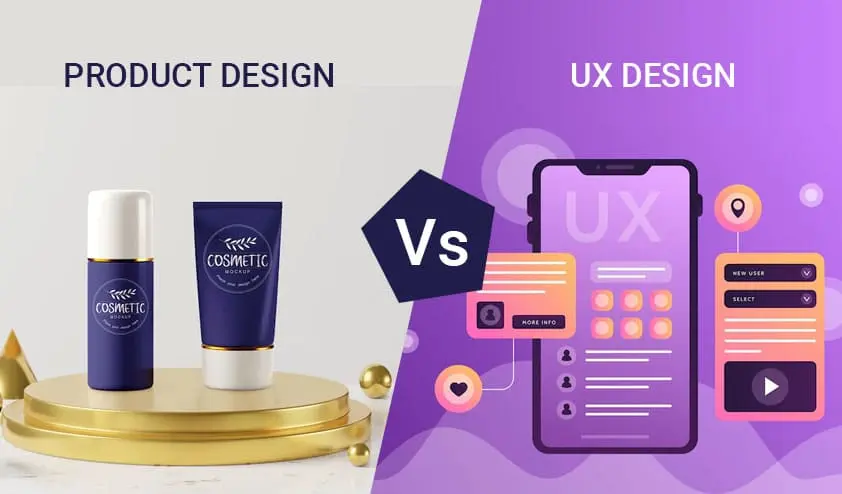
User Interface (UI) and User Experience (UX) Design have evolved into essential drivers of product adoption, brand loyalty, and digital commercial success globally. As modern software applications, mobile platforms, and web platforms become increasingly complex, creating intuitive, accessible, and aesthetically engaging user journeys is paramount. This single-discipline guide provides an exhaustive analysis of the UI/UX & Product Designer role—covering required design competencies, industry growth forecasts, official documentation standards, direct remote hiring portals, and a structured comparative breakdown between traditional in-house office roles and global remote design consulting.
Detailed Role Overview & Operational Scope
A UI/UX Product Designer sits at the strategic intersection of human-computer interaction (HCI), psychological behavior, visual aesthetics, and business objectives. Rather than focusing solely on visual graphics, product designers research user behaviors, map detailed workflows, and prototype interactive interfaces. Key responsibilities include:
- User Research & Usability Testing: Conducting qualitative user interviews, usability audits, heat-map evaluations, and competitive landscape analysis.
- Information Architecture & Wireframing: Mapping user flows, customer journey maps, site architectures, and low-fidelity structural wireframes.
- High-Fidelity Visual Design (UI): Designing pixel-perfect, brand-aligned interfaces, typography systems, color scales, and icon libraries.
- Prototyping & Design Systems: Constructing interactive component systems, design tokens, and high-fidelity micro-interaction prototypes for developer handoff.
Required Competencies & Essential External Resources
To succeed as a high-earning remote UI/UX designer, professionals must master modern vector design platforms, interaction standards, and web accessibility frameworks:
1. Design Systems & Prototyping Platforms
- Figma Ecosystem: Mastering components, auto-layout, variables, and interactive prototyping. Explore the Figma Official Help & Learning Center.
- Design System Frameworks: Structuring enterprise design systems. Study Google Material Design 3 Guidelines and Apple Human Interface Guidelines.
2. User Research & Usability Standards
- Nielsen Norman Group (NN/g): The global benchmark for UX research standards and interaction design heuristics. Access Nielsen Norman Group UX Articles.
- Web Content Accessibility Guidelines (WCAG): Designing accessible, contrast-compliant interfaces for all users. Reference the W3C Web Accessibility Initiative.
Future Market Demand & Industry Outlook
The market demand for specialized product designers remains exceptionally robust. As non-tech traditional industries adopt digital-first strategies, companies recognize that superior user experiences directly drive customer retention and operational conversion rates.
Primary catalysts for future growth include:
Direct Job Application Portals & Registration Links
UI/UX designers can secure global remote positions or high-paying freelance product design retainers across these specialized platforms:
Portfolio Requirement:
Recruiters prioritize detailed case studies showing your research process, problem statements, and user testing results over static visual images. Host your portfolio on Behance, Dribbble, or a personal website.
- Toptal Design Network: Join the elite freelance network for senior product designers and UI/UX strategists.
→ Apply as a Designer on Toptal Network - Dribbble Hiring Board: Search remote UI/UX design jobs and freelance project requests directly from top tech companies.
→ Explore Remote Product Design Jobs on Dribbble - Upwork UI/UX Design Hub: Bid on mobile app design, web redesigns, and design system creation contracts globally.
→ Browse UI/UX Contracts on Upwork - Wellfound (AngelList Talent): Connect directly with tech startups hiring remote product designers.
→ Search Startup Design Positions on Wellfound
Workplace Comparison: On-Site Office vs. Online/Remote Work
Because design tools like Figma are cloud-native and collaborative in real time, product design is one of the most seamless remote professions in the modern tech ecosystem. The comparative table below details operational dynamics:
Operational Comparison Matrix: UI/UX & Product Designer
| Evaluation Vector | On-Site / In-House Office | Online / Remote Consulting |
|---|---|---|
| Collaboration & Handoff | Physical whiteboard design sprints, in-person sticky note mapping, and desk-side developer handoff. | Real-time cloud collaboration (Figma, FigJam, Miro), async Loom video walk-throughs, and automated dev inspect links. |
| User Research Access | In-person usability lab testing, local customer interviews, and physical focus group observation. | Global remote usability testing (UserTesting, Maze), remote video user interviews, and automated telemetry. |
| Work Dynamics | Structured corporate schedule tied to local headquarters business hours. | Flexible asynchronous hours centered around sprint milestones, wireframe reviews, and prototype deliveries. |
| Earning Potential | Standard local salary ($65,000–$105,000/year) based on local living costs. | Global contract rates ($35–$90+/hour) or flat-rate project fees per app redesign sprint. |
About the Author