The mobile application market continues to expand rapidly, driven by advancements in mobile AI, cloud-connected platforms, and interactive user experiences. Choosing the right programming language for mobile app development is a pivotal decision that directly impacts performance, development cost, time-to-market, and maintainability.
This comprehensive guide breaks down the leading languages for both native and cross-platform mobile development in 2026.
1. Native Mobile Development Languages
Native development delivers maximum performance, full hardware access, and optimized user interfaces tailored specifically to iOS or Android platforms.
A. Swift (iOS & macOS)
- Primary Platform: Apple Ecosystem (iOS, iPadOS, watchOS, macOS).
- Key Advantages: Modern syntax, strong type safety, memory management via ARC (Automatic Reference Counting), and seamless integration with Apple’s SwiftUI framework.
- Best Used For: High-performance iOS applications requiring advanced graphics, camera APIs, or hardware integration.
B. Kotlin (Android)
- Primary Platform: Android OS.
- Key Advantages: Officially backed by Google, 100% interoperable with Java, concise syntax, and native support for asynchronous programming with Coroutines.
- Best Used For: Enterprise-grade, scalable Android applications and modern Jetpack Compose UI builds.
2. Cross-Platform Framework Languages
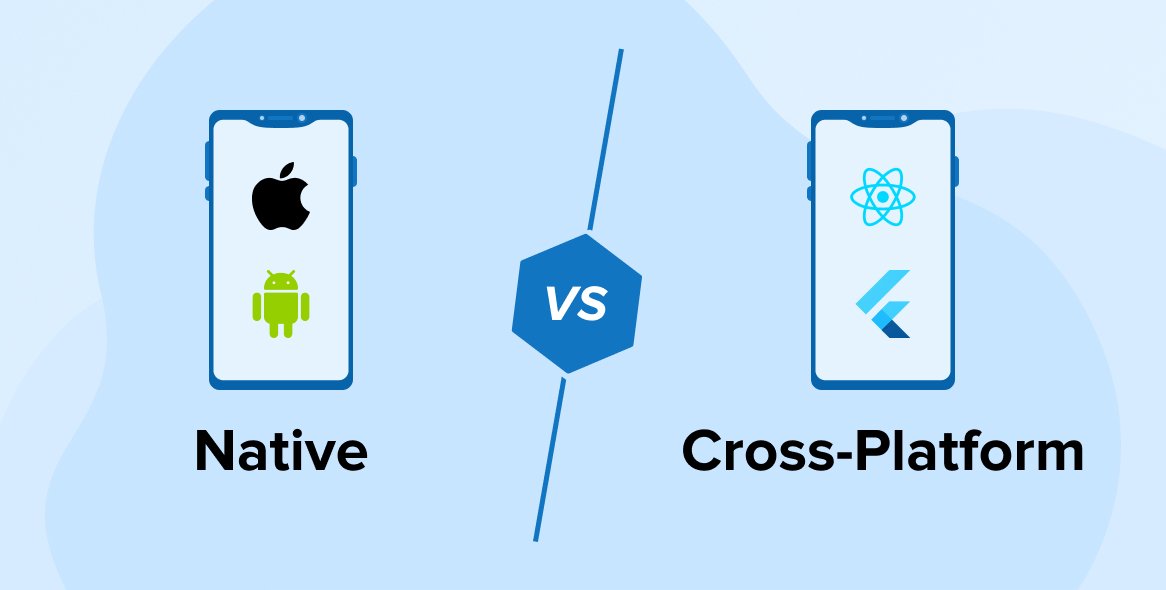
Cross-platform development allows teams to write code once and deploy across both iOS and Android, drastically reducing time-to-market and development costs.
A. Dart (Flutter)
- Framework: Google’s Flutter.
- Key Advantages: Compiles directly to native machine code, supports Hot Reload for instant UI updating, and offers a unified widget-based rendering engine.
- Best Used For: Fast-growing startups and enterprises building multi-platform apps with identical UI/UX requirements.
- B. JavaScript / TypeScript (React Native)
- Framework: Meta’s React Native.
- Key Advantages: Leverages massive web development ecosystems, reusable UI components, and flexible state management across web and mobile platforms.
- Best Used For: Products requiring web-to-mobile code sharing and fast feature deployment.
3. Comparative Matrix: Mobile Development Languages
| Programming Language | Target Platform | Development Type | Performance Level | Learning Curve |
|---|---|---|---|---|
| Swift | iOS / Apple Ecosystem | Native | Very High | Moderate |
| Kotlin | Android | Native | Very High | Moderate |
| Dart | iOS & Android (Flutter) | Cross-Platform | High | Easy to Moderate |
| TypeScript / JS | iOS & Android (React Native) | Cross-Platform | High | Easy (for Web Devs) |
4. Strategic Decision Guide
- Choose Native (Swift / Kotlin): If your application requires intensive background processing, low-latency performance (such as mobile gaming or video rendering), or deep integration with device sensors and security modules.
- Choose Cross-Platform (Dart / TypeScript): If your primary goals are launching rapidly on both app stores simultaneously, maintaining a unified code base, and reducing initial engineering overhead.
Official Sources & References
- Apple Developer Documentation: Official Swift language guide and SwiftUI frameworks. https://developer.apple.com/swift
- Android Developer Portal: Kotlin language standards and Jetpack guidelines. https://developer.android.com
- Flutter Documentation by Google: Dart programming and Flutter cross-platform architecture. https://flutter.dev
- React Native Core Documentation: Building cross-platform apps using React and JavaScript. https://reactnative.dev
About the Author